Regular home repair and maintenance prevent costly emergency repairs by extending lifespan of plumbing and electrical systems. Tasks include inspecting fixtures, clearing drains, testing pressure, maintaining water heaters, updating grounding systems, testing alarms, and addressing wiring issues safely. Prioritizing these proactive measures saves on costs, enhances efficiency, and ensures safer living conditions.
Looking to tackle home repair and maintenance like a pro? This comprehensive guide covers essential tasks for both plumbing and electrical systems. From uncovering vital plumbing maintenance tips to ensuring safe wiring practices, we equip you with knowledge to keep your home running smoothly. Learn about common repairs, efficient water heater care, and preventive measures to extend the lifespan of these critical systems.
- Uncovering Essential Plumbing Maintenance Tasks
- Electrical Safety Checks: A Homeowner's Guide
- Common Home Repairs: Plumbers and Electricians
- Efficient Water Heater Care and Replacement
- Safe Wiring Practices for Your Home
- Preventive Measures for Long-Lasting Systems
Uncovering Essential Plumbing Maintenance Tasks
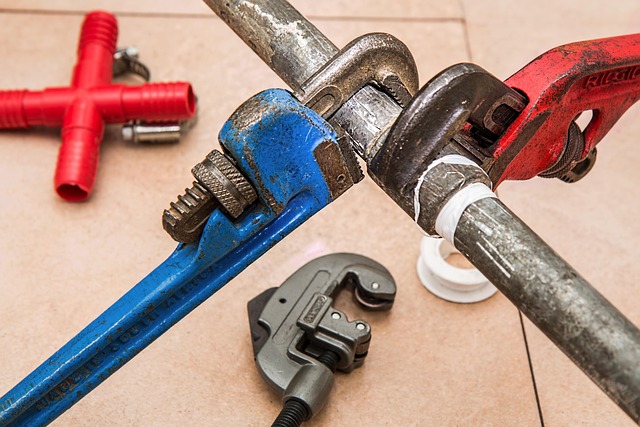
Uncovering essential plumbing maintenance tasks is crucial for any homeowner aiming to avoid costly repairs. Regular checks on fixtures, pipes, and appliances can prevent leaks and blockages. Simple routine maintenance includes inspecting faucets for any drips or leaks, clearing drain traps of hair and grease buildup, and testing water pressure to ensure optimal performance.
Using the right tools and basic knowledge, homeowners can also flush out water heaters, check valve functionality, and maintain outdoor spigots to prevent freezing during colder months. These proactive measures not only extend the lifespan of plumbing systems but also contribute to efficient water usage and significant savings on home repair and maintenance costs.
Electrical Safety Checks: A Homeowner's Guide
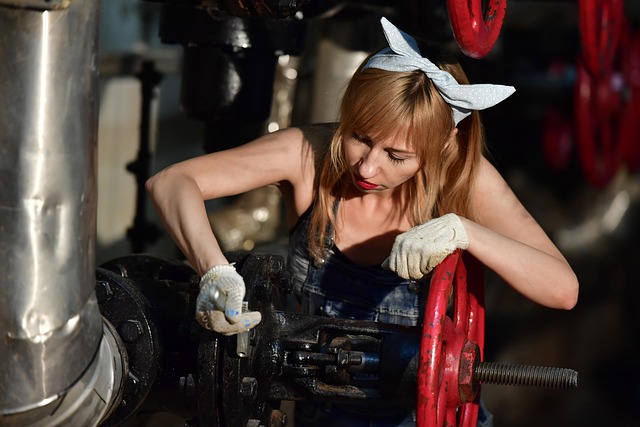
Regular electrical safety checks are an essential part of home repair and maintenance. As a homeowner, it’s crucial to understand common hazards and how to identify potential issues. Start by inspecting for frayed wires or damaged cables, which can cause electrical fires. Check that all outlets and switches are functioning properly and securely attached to the circuit board.
Additionally, ensure your home’s grounding system is up-to-date and effective. This safeguards against electric shock and minimizes damage during power surges. Regularly test smoke alarms and carbon monoxide detectors, replacing batteries as needed. Remember, a little prevention goes a long way in keeping your family safe from electrical hazards and ensuring the longevity of your home.
Common Home Repairs: Plumbers and Electricians
When it comes to common home repairs, plumbers and electricians play pivotal roles in ensuring the smooth functioning of your living space. Plumbers tackle issues related to water supply lines, drainage systems, and fixtures like sinks, toilets, and faucets. They also specialize in heating and cooling systems, which are essential for maintaining comfortable indoor temperatures. On the other hand, electricians handle electrical wiring, outlets, switches, and appliances powered by electricity. Regular maintenance from these professionals is crucial for preventing costly emergencies and ensuring your home’s safety.
Both plumbers and electricians offer solutions for common problems like leaky pipes, broken furnaces, faulty wiring, and power outages. Homeowners can contribute to proactive home repair and maintenance by scheduling routine inspections and promptly addressing any unusual sounds or smells. Regular check-ups not only save money in the long run but also help identify potential issues before they escalate into costly disasters.
Efficient Water Heater Care and Replacement
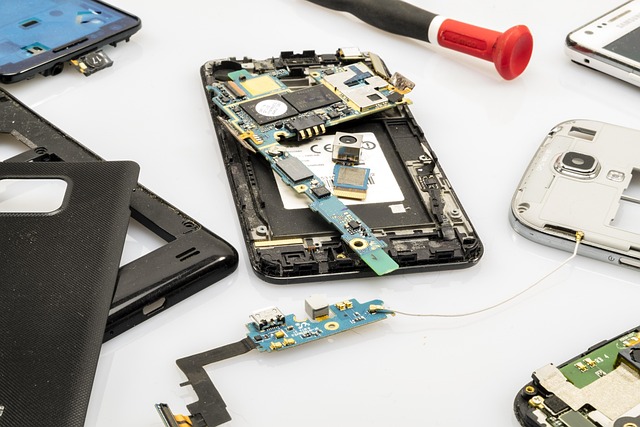
Maintaining your home’s water heater is an essential part of regular home repair and maintenance. Efficient care involves setting the thermostat to around 120°F (49°C) to prevent excessive energy usage while still providing hot water. Regularly inspect for leaks, corrosion, or unusual noises, addressing any issues promptly to avoid potential damage. Replacing your water heater should be considered when it’s over 10-15 years old or shows signs of inefficiency.
When the time comes for a replacement, opt for energy-efficient models that offer better insulation and advanced heating elements. This not only saves on utility bills but also reduces environmental impact. Ensure proper installation by qualified professionals to guarantee safety and longevity, integral aspects of home maintenance.
Safe Wiring Practices for Your Home
When it comes to home repair and maintenance, safe wiring practices are essential for preventing electrical hazards and ensuring your peace of mind. Start by understanding that your electrical system is a complex network; regular checks and updates are crucial. Inspect all wiring for any signs of damage, fraying, or exposed wires, as these could pose significant risks. Keep in mind that outdated systems may require professional attention to bring them up to modern safety standards.
Implementing basic safety measures will go a long way. Use only qualified professionals for electrical installations and upgrades to guarantee compliance with local regulations. Regularly replace faulty outlets and switches, and never ignore odd smells or shocks—they could indicate serious issues. Remember, preventing problems is always more cost-effective than fixing them, so stay vigilant and prioritize safety in your home repair and maintenance routine.
Preventive Measures for Long-Lasting Systems
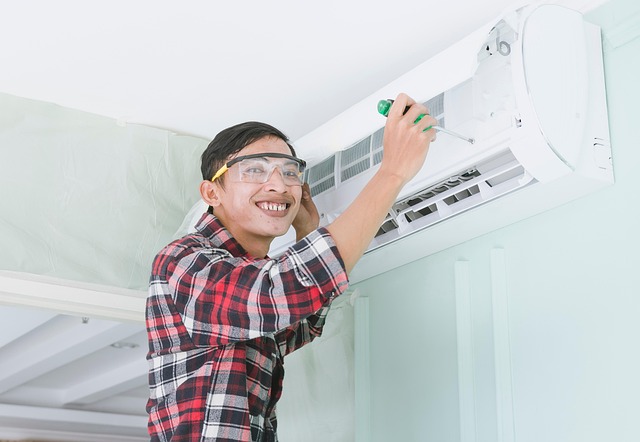
Regular home repair and maintenance are essential for ensuring long-lasting performance from both plumbing and electrical systems. Preventive measures such as routine inspections, cleaning, and up-to-date repairs can significantly extend the lifespan of these critical components. For instance, regular flushing and maintenance of water heaters can prevent buildup and corrosion, while periodic checks on electrical panels can detect potential issues like faulty wiring before they cause more serious damage.
Homeowners should also prioritize insulation and sealing to mitigate temperature loss in plumbing lines during cold months, preventing freezing and burst pipes. Similarly, ensuring proper ventilation in electrical systems helps deter the accumulation of moisture, which can lead to short circuits and other hazardous conditions. Incorporating these preventive measures into a consistent home repair and maintenance routine not only saves costs but also promotes safer living environments.
Plumbing and electrical systems are vital components of any home, and regular maintenance is key to ensuring their longevity. By mastering essential tasks like those outlined in this article—from routine checks to preventive care—homeowners can avoid costly repairs and maintain the safety and efficiency of their living spaces. Through proactive measures, such as efficient water heater care and safe wiring practices, folks can foster a seamless and secure environment. Remember, regular attention to these systems is a testament to a well-cared-for home.