As dementia impacts older adults' memory and daily lives, Elderly Companion Services emerge as a crucial support system. These services provide companionship, assistance with activities, and safety measures, improving seniors' quality of life through personalized care, mental stimulation, and breaks for caregivers. By combining individual support with community group activities, they enhance the overall well-being of individuals living with dementia.
Dementia, a profound and complex condition, affects millions of elderly individuals worldwide. As its prevalence rises, understanding its impact and accessing adequate support becomes paramount. This article explores essential aspects of dementia care, focusing on how elderly companion services play a vital role in mitigating the challenges faced by both patients and caregivers. From daily assistance to community engagement, we unravel the tapestry of personalized support tailored to enhance quality of life for those living with dementia.
- Understanding Dementia and Its Impact on Elderly Individuals
- The Role of Elderly Companion Services in Caregiver Support
- Personalized Assistance: From Daily Tasks to Emotional Support
- Community Resources and Group Activities for Mental Stimulation
Understanding Dementia and Its Impact on Elderly Individuals

Dementia is a complex and progressive neurological disorder that significantly impacts elderly individuals, affecting their memory, thinking skills, and behavior. As the population ages, understanding this condition has become increasingly vital. The impact of dementia on the elderly can be profound, leading to confusion, disorientation, and challenges in performing daily tasks. Many older adults with dementia require specialized care and support to maintain their quality of life.
Elderly companion services play a crucial role in providing assistance to those affected by dementia. These services offer companionship, help with daily activities, and ensure the safety and well-being of elderly individuals. Companions can provide mental stimulation, engage in meaningful conversations, and create a sense of comfort and security for those living with dementia, enhancing their overall experience while navigating this life-changing condition.
The Role of Elderly Companion Services in Caregiver Support

Elderly Companion Services play a vital role in providing much-needed support for both seniors with dementia and their caregivers. These services offer companionship, assistance with daily tasks, and emotional support, easing the burden on family members or professional caregivers who might otherwise feel overwhelmed. By pairing older adults with trained companions, these services ensure that individuals with dementia receive one-on-one attention, fostering a sense of comfort and safety.
Furthermore, Elderly Companion Services provide caregivers with much-needed breaks. Caregivers often struggle with the physical and emotional demands of their roles, leading to burnout. Having a companion service step in allows primary caregivers to attend to personal needs, recharge, and return to their duties with renewed energy. This support network is crucial for maintaining the overall well-being of both the senior being cared for and the caregiver.
Personalized Assistance: From Daily Tasks to Emotional Support
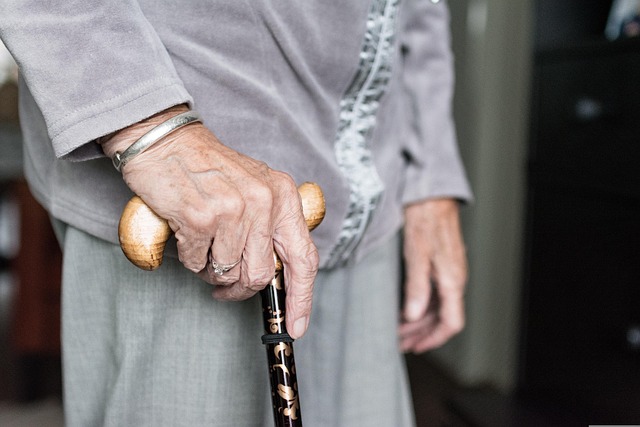
For many individuals living with dementia, personalized assistance that caters to their unique needs and preferences is invaluable. Elderly companion services play a pivotal role in this regard, offering tailored support that extends far beyond basic daily tasks. These services recognize that every person with dementia has distinct requirements, be it help with meal preparation, medication management, or simply someone to engage in meaningful conversations. Companions provide emotional support, encouraging individuals to maintain their independence and enhancing their overall well-being.
Through personalized care, elderly companion services foster a sense of security and comfort for those with dementia. They assist with everyday activities, ensuring safety and promoting dignity. Whether it’s helping with dressing, bathing, or transportation, these services aim to simplify life for the elderly, allowing them to focus on what matters most—spending quality time with loved ones and engaging in hobbies they cherish.
Community Resources and Group Activities for Mental Stimulation

Community resources play a vital role in providing mental stimulation for seniors with dementia, offering a wide array of group activities tailored to their unique needs. These services often include social gatherings, arts and crafts sessions, music therapy, and exercise programs designed to keep minds active and bodies engaged. Participatory events create a sense of community, allowing individuals to connect with peers facing similar challenges, fostering a support system that enhances overall well-being.
Elderly companion services integrate seamlessly into these community initiatives, providing one-on-one assistance or small group support during activities. Trained companions can facilitate participation, ensure safety, and offer encouragement, making it easier for seniors to fully engage in the available programs. This dual approach—community resources and elderly companion services—creates a comprehensive care network that significantly improves quality of life for individuals living with dementia.
Dementia support services, encompassing elderly companion services and diverse community resources, play a pivotal role in enhancing the quality of life for those affected by this condition. By providing personalized assistance that addresses both practical needs and emotional well-being, these services foster an environment where individuals with dementia can maintain their independence, engage in meaningful activities, and receive the care they deserve. Elderly companion services, in particular, offer invaluable support to caregivers, allowing them to take a much-needed break while ensuring their loved ones receive expert assistance. With community resources and group activities tailored to mental stimulation, individuals with dementia can thrive in an inclusive and supportive setting.