Turf management, a critical component of Lawn Care and Landscaping, involves strategic practices to maintain healthy grass. This includes understanding turfgrass biology, soil science, and environmental factors, along with regular fertilization, precise watering, controlled mowing, aeration, and topdressing. These techniques create resilient turf systems that withstand foot traffic and extreme weather while enhancing outdoor spaces' aesthetic appeal. Effective lawn care promotes soil health, conserves water, and supports local wildlife habitats, making outdoor areas beautiful and sustainable for relaxation, play, and nature connection.
“Turf management expertise is the cornerstone of vibrant, healthy lawns. This comprehensive guide delves into the intricacies of lawn care and landscaping, offering a holistic approach to turf maintenance. We explore ‘Understanding Turf Management’ by breaking down key components like soil health, fertilization, and irrigation. Furthermore, we share best practices for seasonal care, effective weed control, and grass selection tailored to diverse climates. From transforming spaces through landscaping design to embracing sustainable lawn management, discover how expert strategies can enhance outdoor areas while fostering ecological balance.”
- Understanding Turf Management: The Foundation of Healthy Lawns
- – Definition and importance of turf management
- – Key components: soil health, fertilization, irrigation
- Lawn Care Best Practices: Nurturing Green Oases
Understanding Turf Management: The Foundation of Healthy Lawns
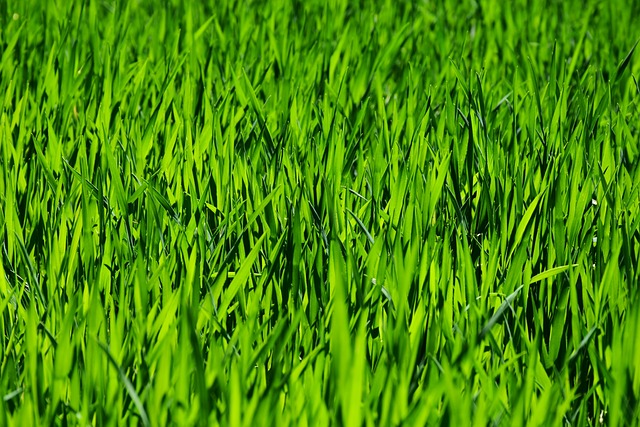
Turf management is an art and science that forms the foundation for achieving and maintaining healthy lawns, a cornerstone of any exceptional lawn care and landscaping endeavor. It involves a comprehensive understanding of turfgrass biology, soil science, climate, and various environmental factors to create optimal growing conditions. By carefully managing these aspects, professionals can ensure lush, vibrant grass that enhances outdoor spaces.
Effective turf management strategies include regular fertilization, precise watering practices tailored to the specific needs of different grass species, and controlled mowing to maintain the ideal blade length. Additionally, regular aeration and topdressing improve soil structure and promote nutrient uptake, addressing potential issues like compacted soil, which can hinder root growth. These techniques, when applied correctly, create a robust turf system that is resilient and capable of withstanding various challenges, from foot traffic to extreme weather conditions.
– Definition and importance of turf management

Turf management, a specialized field within lawn care and landscaping, involves the strategic maintenance and enhancement of turfgrass areas. It encompasses various practices aimed at ensuring healthy, vibrant, and aesthetically pleasing lawns. This includes regular mowing, watering, fertilizing, and controlling weeds and pests.
Effective turf management is crucial for several reasons. Firstly, it contributes to the overall beauty of landscapes, whether in residential yards, commercial properties, or public spaces. A well-managed lawn provides a welcoming and inviting ambiance, enhancing outdoor living and recreation areas. Moreover, proper turf care plays a vital role in environmental sustainability by promoting healthy soil, preserving water resources through efficient irrigation practices, and supporting biodiversity by creating habitats for local wildlife.
– Key components: soil health, fertilization, irrigation
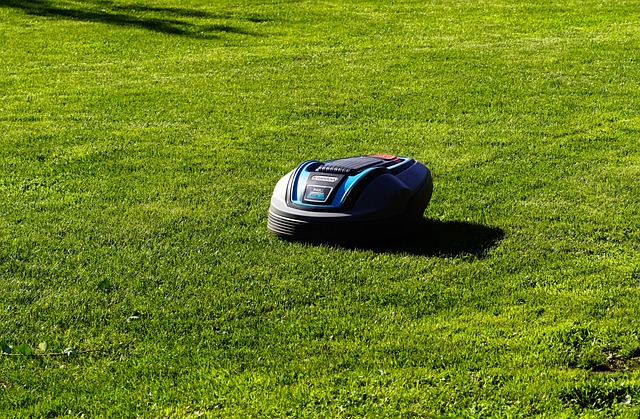
Maintaining a lush and healthy lawn requires a meticulous approach, focusing on three core components: soil health, fertilization, and irrigation. Soil health is the foundation; it determines the overall condition of grass growth. Regular testing and amendments ensure optimal pH levels and nutrient availability, creating an environment conducive to root development. Fertilization plays a vital role in promoting robust grass growth, providing essential nutrients that support foliage development and enhance turf density.
Irrigation systems are crucial for lawn care and landscaping, offering precise control over water application. Efficient watering practices prevent water wastage while ensuring the lawn receives adequate hydration, especially during dry spells. This balanced approach to soil management, fertilization, and strategic irrigation forms the backbone of any successful turf management strategy, transforming ordinary grass into a vibrant, thriving landscape feature.
Lawn Care Best Practices: Nurturing Green Oases
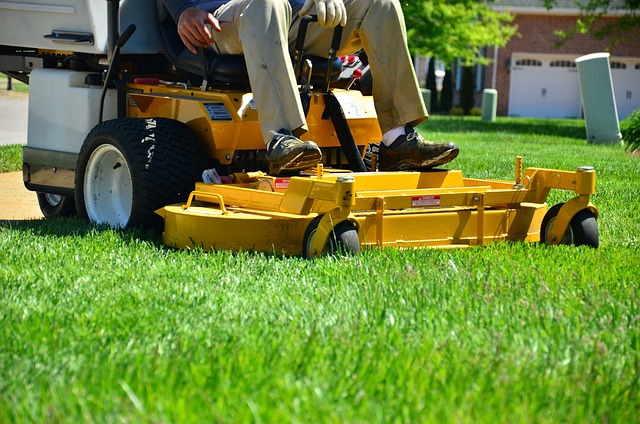
Maintaining lush, vibrant lawns is an art, and expert turf management combines scientific knowledge with meticulous care to nurture green oases. The foundation lies in understanding that lawn care and landscaping go hand in hand; a well-designed landscape complements the overall aesthetics while a healthy lawn provides a robust foundation. Regular mowing at the appropriate height, tailored to the grass species, is essential for promoting dense growth and preventing weeds. Balanced fertilization schedules ensure the lawn receives necessary nutrients without causing environmental harm.
Watering efficiently is another cornerstone; deep, infrequent watering encourages deep root growth, making lawns more drought-resistant. Integrated Pest Management (IPM) strategies, employing cultural, biological, and chemical controls, ensure that pests are managed sustainably. Regularly inspecting and addressing issues early prevents widespread damage, maintaining the lawn’s overall health and beauty. These best practices transform outdoor spaces into welcoming environments where people can relax, play, and connect with nature.
Turf management expertise is pivotal in creating and maintaining lush, healthy lawns. By understanding the fundamentals of turf care, including soil health, fertilization, and irrigation, professionals can deliver top-notch lawn care services. Incorporating best practices ensures that landscapes not only look pristine but also withstand various environmental challenges. In the realm of lawn care and landscaping, these practices are game changers, fostering vibrant and durable outdoor spaces.